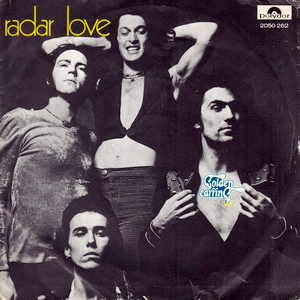
Golden Earring Radar Love: Exploring the Invisible Backbone of an Iconic Song's Digital Life
Golden Earring's "Radar Love" isn't just a song; it's a cultural touchstone, a roaring anthem of the open road and unbridled rock 'n' roll spirit that has resonated across generations. Since its release in 1973, its pulsating bassline, driving rhythm, and iconic lyrics have cemented its place in music history. Yet, in our increasingly digital world, the song's enduring legacy and accessibility rely not just on its powerful chords and vocals, but on an unseen, intricate web of information: its metadata. Exploring "Golden Earring Radar Love" through the lens of its metadata reveals how this crucial "data about data" shapes our interaction with music, from discovery to deep analysis.
Unpacking Song Metadata: What It Is and Why It Matters for a Classic Track
At its core, metadata refers to structured information that describes, explains, locates, or otherwise makes it easier to retrieve, use, or manage an information resource. For a track like "Golden Earring Radar Love," this encompasses a vast array of details far beyond just the audio file itself. Think of it as the digital DNA of the song, carrying all the essential instructions for its identification and functionality in the digital realm.
Key types of metadata for "Radar Love" include:
*
Core Identifiers: Artist name (Golden Earring), song title ("Radar Love"), album title (e.g., *Moontan* for its original release), release year (1973), record label, and unique identifiers like ISRC (International Standard Recording Code) and ISWC (International Standard Musical Work Code). These are fundamental for cataloging and rights management.
*
Compositional Data: Songwriters (George Kooymans and Barry Hay), publishers, and any associated performance rights organizations. This ensures proper attribution and royalty distribution.
*
Genre & Style: Rock, Hard Rock, Progressive Rock. These tags help categorize the song and assist recommendation algorithms.
*
Lyrical Content: The full text of the lyrics, often with timestamped synchronization. For a song with such memorable lines, accurate lyrics are paramount for fan engagement and karaoke apps. You can delve deeper into this aspect by reading
Golden Earring's Radar Love: Lyrics, Videos & Concert Scan.
*
Performance Data: Information about live performances, concert dates where the song was played, and associated video links.
*
Airplay Data: Records of which radio stations have played the song, when, and how often. This is crucial for tracking its popularity and influence, a topic further explored in
Radar Love on Air: Tracking Golden Earring's Radio Presence.
*
Descriptive Tags: Mood (e.g., energetic, driving), instrumentation (bass, drums, guitar, vocals), key, tempo (BPM). These enrich discovery and creative use cases.
Why does all this matter for a song that's almost 50 years old? Without robust, accurate metadata, "Golden Earring Radar Love" would struggle to exist meaningfully in today's digital ecosystem. It wouldn't be easily searchable on streaming services, correctly credited for royalties, or discovered by new generations through algorithmic recommendations. The integrity of this metadata is the bedrock of its continued relevance and accessibility.
Navigating the Digital Landscape: How Platforms Handle "Radar Love" Information
The journey of "Golden Earring Radar Love" metadata through the digital landscape is complex, involving numerous platforms, each with its own approach to collecting, storing, and presenting information.
*
Lyrics Databases (e.g., Genius): Platforms like Genius are powerhouses for lyrical metadata, often including annotations, interpretations, and even historical context. The process of gathering and verifying this data can be meticulous. Imagine trying to access the definitive lyrics for "Radar Love" only to encounter a message like "Verification successful. Waiting for genius.com to respond." This scenario, surprisingly common in the digital realm, highlights the technical challenges in data retrieval and the importance of robust server infrastructure to deliver comprehensive content instantly. Accurate lyrical metadata is vital not just for fans singing along, but for music educators, researchers, and even legal purposes.
*
Radio Tracking Services (e.g., Online Radio Box): These services specialize in monitoring radio airplay, collecting "metadata about the song and a list of radio stations that have played it." This data offers invaluable insights into the song's enduring popularity and geographical reach. It helps copyright holders track public performance royalties and provides fans with a sense of its contemporary presence. The sheer volume of radio stations globally means this data collection is a massive undertaking, requiring sophisticated tracking and aggregation.
*
Streaming Services (e.g., Spotify, Apple Music): These are comprehensive hubs, aggregating most metadata types. When you search for "Golden Earring Radar Love," these platforms leverage artist, title, album, genre, and even mood tags to present the song instantly. They also track listener data (streams, playlist adds), which, while often anonymized, becomes another layer of metadata influencing recommendations and industry insights.
*
Challenges in Data Integrity: The reference context hints at common frustrations: "error messages and server details." These seemingly minor glitches underscore larger issues in metadata management. Inconsistent tagging, incomplete fields, or discrepancies between different databases can lead to fragmented information, making it harder for users to find the song or for algorithms to accurately recommend it. Clean, standardized, and consistently updated metadata across all platforms is an ongoing challenge for the music industry.
Beyond the Basics: Leveraging Metadata for Deeper Insights
The true power of metadata for "Golden Earring Radar Love" extends far beyond simple identification. It transforms the song from a standalone audio file into a rich, interconnected data point, enabling deeper insights and innovative applications:
*
Musicology and Research: Scholars can analyze lyrical themes, musical structures, and production techniques across Golden Earring's discography, or compare "Radar Love" to other rock anthems of its era, all facilitated by robust metadata. Its inclusion on various "best of" lists or its appearance in films and TV shows also becomes part of its historical metadata.
*
Industry Analytics: Labels and rights holders use airplay, streaming, and sales metadata to understand the song's market performance, identify regional spikes in popularity, and inform strategic decisions regarding licensing, re-releases, or promotional campaigns. For example, a surge in "Radar Love" streams in a specific country might trigger a localized marketing push.
*
Recommendation Engines: When a streaming service suggests "similar artists" or "songs you might like," it's heavily relying on metadata. By analyzing the genre, tempo, instrumentation, and even lyrical sentiment of "Radar Love," algorithms can pinpoint other tracks that share its sonic or thematic characteristics, introducing new listeners to Golden Earring or similar bands.
*
Preservation and Archiving: For future generations, comprehensive metadata ensures that "Golden Earring Radar Love" isn't just an audible artifact but a fully contextualized piece of cultural history. Details about its creation, impact, and evolution over time are preserved alongside the music itself.
*
Creative Remixing and AI Applications: Detailed metadata can facilitate creative endeavors. For instance, knowing the song's key and tempo allows DJs and producers to easily incorporate elements into mixes. In the future, AI tools might even generate new content inspired by the structural and lyrical metadata of classics like "Radar Love."
Optimizing for Discovery: Ensuring "Radar Love" Reaches New Audiences
In a digital age saturated with content, even an iconic track like "Golden Earring Radar Love" needs optimized metadata to cut through the noise and ensure continued discovery.
*
For Content Creators & Rights Holders: The primary responsibility lies with the artists, labels, and distributors. This involves meticulous data entry, adhering to industry standards (like DDEX), and consistently updating information. Using rich descriptive tags, high-quality cover art metadata, and ensuring consistent naming conventions across all platforms are crucial.
*
For Digital Platforms: Streaming services, radio aggregators, and lyrical databases must invest in robust data ingestion pipelines, powerful search algorithms, and intuitive user interfaces. Error handling, as hinted at in the reference context, is key to preventing user frustration. They also have a role in standardizing metadata formats and fostering interoperability.
*
For Fans and Enthusiasts: While not directly creating core metadata, fans contribute significantly through user-generated content like playlists, reviews, and annotations. Participating in communities that strive for metadata accuracy (like contributing to Genius lyrics or correcting errors) helps enrich the collective understanding and accessibility of the song. Understanding how to use advanced search queries, leverage genre tags, and explore related artists also empowers individual discovery.
Ultimately, well-optimized metadata enhances the SEO (Search Engine Optimization) of a song, making it more discoverable not just within music apps but also on general search engines. When someone searches for "Golden Earring Radar Love lyrics" or "Golden Earring tour dates," rich, structured metadata ensures that relevant, authoritative results are presented efficiently.
Conclusion
"Golden Earring Radar Love" is more than just a legendary rock anthem; it's a testament to the power of well-managed song metadata. From its initial recording to its perpetual rotation on radio and endless streams online, every interaction is underpinned by an intricate network of data. The challenges hinted at in the digital landscape – from verifying lyrics to tracking radio play – only underscore the critical importance of accurate, comprehensive, and accessible metadata. For Golden Earring, and indeed for every artist, embracing metadata management isn't just a technical necessity; it's a strategic imperative that ensures their timeless creations continue to captivate, connect, and thrive for generations to come.